All Search Results
-
Awareness and Prevention of a Silent Disease: Pancreatic Cancer
When Aretha Franklin, known as the “Queen of Soul” died earlier this year, musicians, politicians and fans alike mourned.
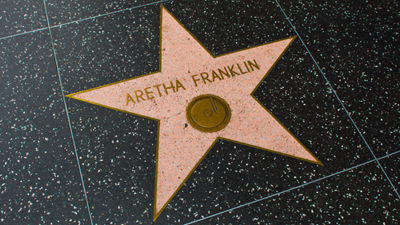 While many had noticed her weight loss in her increasingly rare public appearances, it wasn’t until her death that we learned the cause of her illness: advanced pancreatic cancer.
 -
What Birth Control Can be Fixed and Forgotten? The IUD
IUDs, or intrauterine devices, have become more popular in recent years and it’s easy to see why. It’s a low-cost, long-acting and reversible contraceptive (LARC) that is more than 99 percent effective at preventing pregnancy.
-
5 Reasons You Should See an Athletic Trainer
One of the first athletic trainers was hired by Harvard University to care for its football team — back in the 1880s. Fast forward more than a century to 1991, when athletic training was recognized as an allied health care profession by the American Medical Association. Since then, the science behind athletic training has advanced substantially.
-
A Day in the Life of an Athletic Trainer
As an athletic trainer for the Orlando Health sports medicine team, I feel very fortunate to have one of the most exciting jobs in healthcare. It’s a fast-paced world because we work with teams and individual athletes, mostly youth players, who are focused on performance. In my role, I’m able to impact the performance of the players I work with in a couple of ways. First, I provide training and education that helps them avoid injuries that could keep them sidelined. And second, when someone is injured, my job is to assess the severity of the injury and determine what kind of medical care the athlete needs, including whether they need care as quickly as possible or if they can wait to see a specialist the next morning.
-
Volunteering at Orlando Health is a Win-Win
243,690. That’s how many hours volunteers worked at Orlando Health last year, and that’s a lot—an average of 667 hours per day. A
-
Barbara Bush’s Final Decision Highlights Comfort and Palliative Care Options
At 92, Former First Lady Barbara Bush had been in failing health for several years, challenged by chronic obstructive pulmonary disease (COPD) and congestive heart failure. This past Sunday, a spokesman announced that Mrs. Bush had decided she had received enough medical interventions to extend her life. Instead, she wanted to focus her last days on spending time with family and receiving comfort care. Mrs. Bush died April 17, at her home in Houston, with her family around her.
-
COPD and CHF: Similar Symptoms, Yet Different Illnesses
Former First Lady Barbara Bush’s death left many Americans wondering about her two illnesses, COPD and CHF. Although the illnesses may have similarities, they are also very different, and it is helpful to understand them both.
-
Painful, Long and Heavy Periods Might Be Endometriosis
Woman have symptoms of endometriosis for an average of six to ten years before getting diagnosed. Actress Julianne Hough, wants to help women become more aware of endometriosis through the SpeakEndo campaign. Hough, who first had symptoms of endometriosis when she was sixteen, but wasn’t diagnosed for four years, says in an interview that she initially didn’t want to complain about her symptoms. “I’m a tough cookie. I’m hardworking. I could deal with it on my own.” But eventually, after continued severe pain and bleeding, she sought help.
-
Types, Causes and Risk Factors of Peripheral Artery Disease
Peripheral artery disease (PAD) is a progressive circulation disorder that results in the narrowing of arteries in any blood vessel outside of the heart. Because of this narrowing, the vessels can’t deliver enough oxygen and nutrients to the body. PAD, also known as peripheral vascular disease (PVD), can occur in the stomach, arms and head, but most commonly occurs in arteries in the pelvis and legs.
-
Preventing Osteoporosis—What You Can Do at Any Age
The numbers aren’t pretty. According to the National Osteoporosis Foundation, out of 10 million Americans with osteoporosis, 8 million are women. About 50 percent of women over 50 will break a bone because of osteoporosis, and the risk of a woman breaking her hip is equal to her combined risk of developing breast, uterine and ovarian cancer.